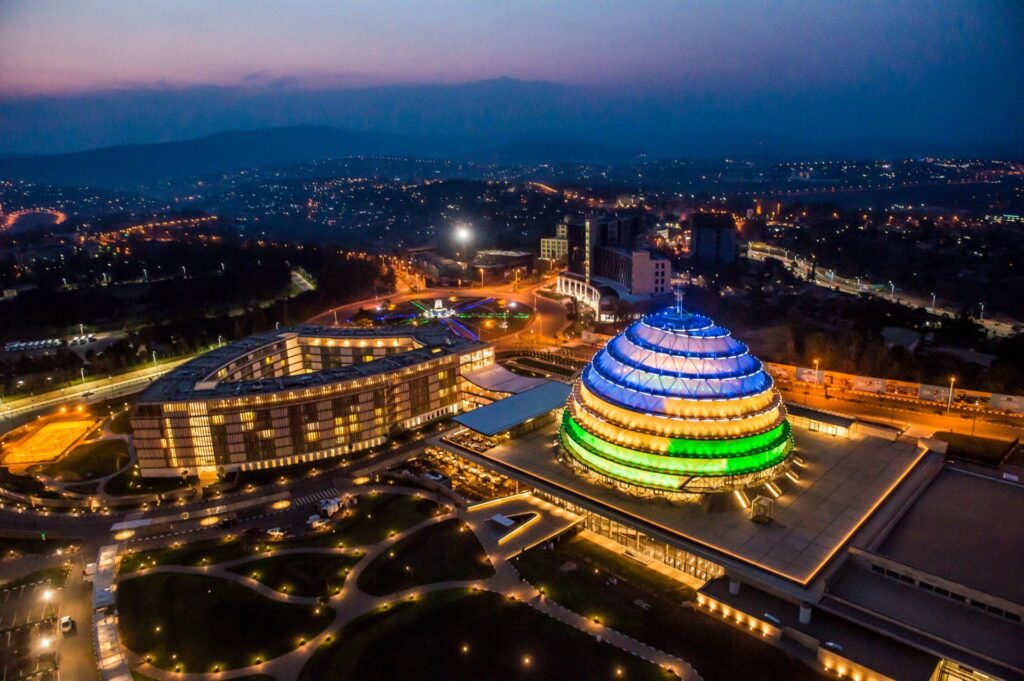
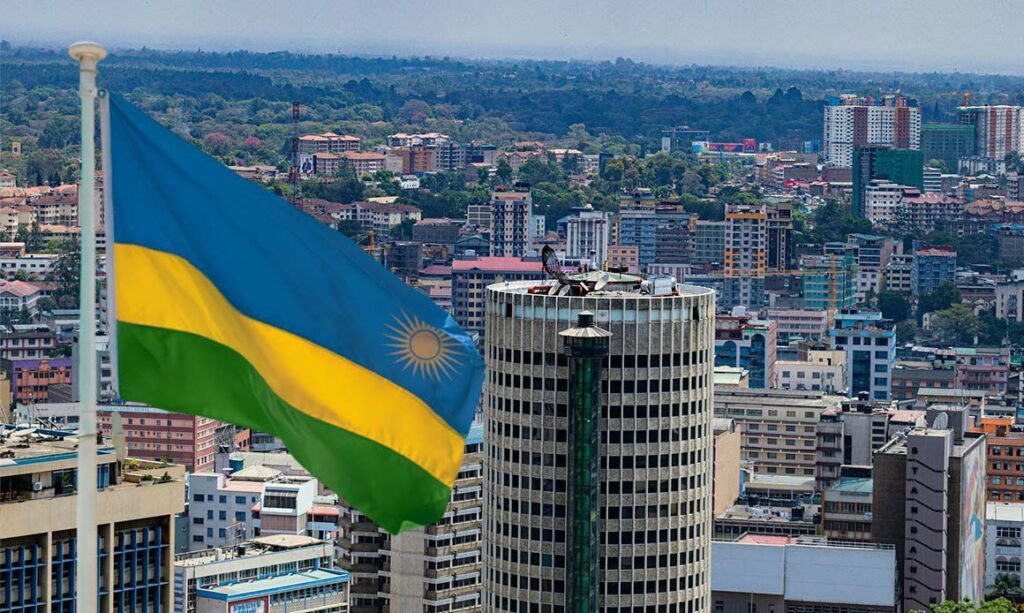
Rwanda is a small, landlocked country located in East Africa. Despite its size, it has a rich and complex history, and is known for its stunning natural beauty and vibrant culture. In recent years, Rwanda has become known for its remarkable recovery from one of the worst genocides in human history, and for its innovative approaches to development and governance.
The history of Rwanda dates back centuries, with evidence of human habitation in the region dating back as far as the Stone Age. The Twa, a group of hunter-gatherers, were the earliest known inhabitants of the area. Later, the Hutu and Tutsi ethnic groups settled in the region, and developed a complex social and political system based on cattle-raising and agriculture.
In the late 19th century, Rwanda became a German colony, and was later occupied by Belgium after World War I. The Belgians favored the Tutsi minority over the Hutu majority, and this led to tensions between the two groups. This tension came to a head in 1994, when Hutu extremists launched a genocide against the Tutsi population, as well as moderate Hutus. The violence lasted for 100 days, and resulted in the deaths of an estimated 800,000 people.
In the aftermath of the genocide, Rwanda faced enormous challenges. The country was devastated both economically and socially, and many people were left homeless or displaced. However, the government of Rwanda, under the leadership of President Paul Kagame, has worked hard to rebuild the country and promote national unity.
One of the most remarkable aspects of Rwanda’s recovery has been its emphasis on reconciliation. In the years following the genocide, the government initiated a number of programs designed to bring people together and promote healing. One such program was the Gacaca courts, which were set up to try perpetrators of the genocide in a community-based setting. The courts allowed victims and perpetrators to confront each other, and provided a forum for truth-telling and forgiveness.
In addition to its emphasis on reconciliation, Rwanda has also implemented a number of innovative development programs. One of the most notable of these is the One Cow per Poor Family program, which provides poor families with a cow that can provide milk, manure for fertilizer, and income from the sale of offspring. This program has helped to lift many Rwandans out of poverty, and has been praised as a model for sustainable development.
Rwanda is also known for its commitment to environmental sustainability. The country is home to several national parks, including Volcanoes National Park, which is home to the endangered mountain gorilla. The government has taken steps to protect the gorillas and their habitat, and has also worked to promote sustainable tourism in the area.
In recent years, Rwanda has emerged as a leader in the technology sector, with the government investing heavily in information and communication technology (ICT) infrastructure. The country has also attracted significant foreign investment, particularly in the areas of tourism and agriculture.
Despite its challenges, Rwanda has made remarkable progress in recent years. The country’s emphasis on reconciliation, sustainable development, and technology has helped to position it as a model for other countries in the region and around the world. With continued investment and development, Rwanda is poised to become a major player in the global economy and a leader in sustainable development.