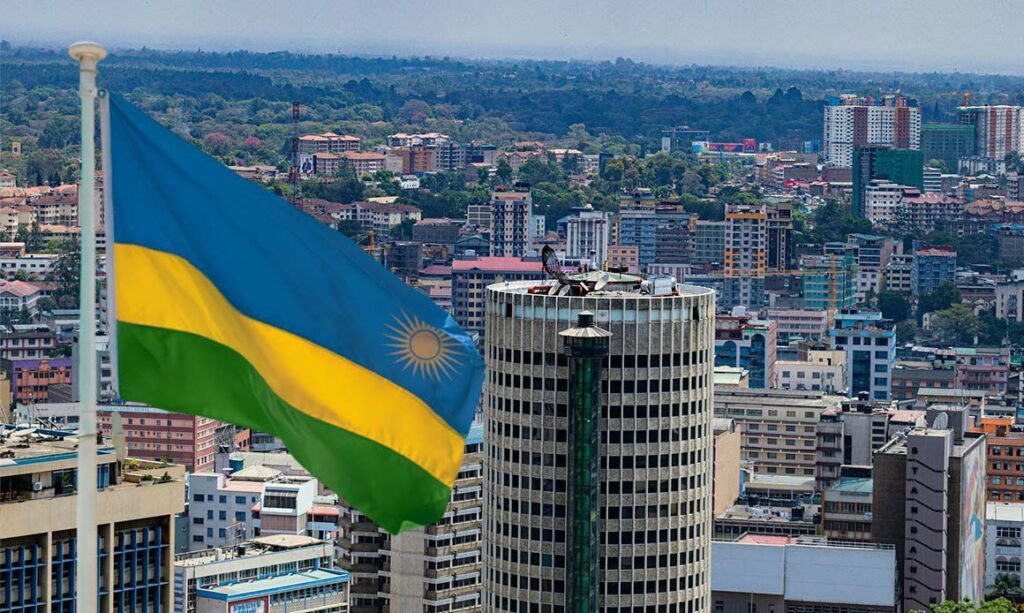
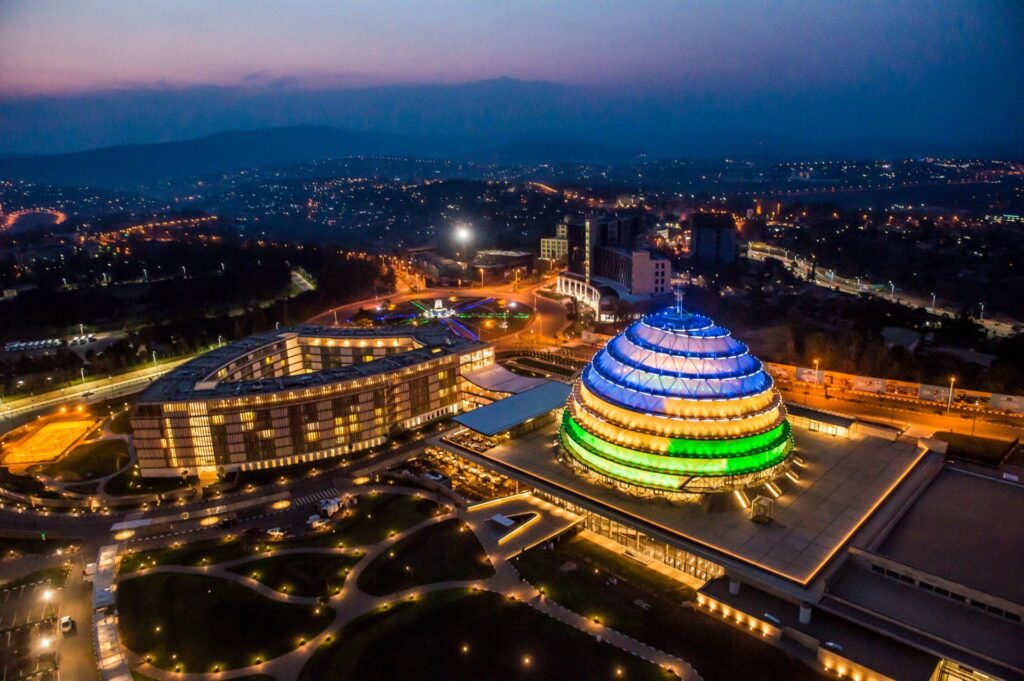
The Rwandan Renaissance refers to the incredible transformation of Rwanda in recent years, from a country that experienced one of the most devastating genocides in modern history to one of the fastest-growing economies in Africa. This remarkable rebirth of Rwanda can be attributed to a combination of factors, including visionary leadership, an emphasis on national unity and reconciliation, and a commitment to economic development.
In 1994, Rwanda was plunged into a genocide that claimed the lives of nearly a million people in just 100 days. The genocide left the country in ruins, with its social fabric torn apart, its infrastructure destroyed, and its economy in shambles. However, in the aftermath of this tragedy, the Rwandan people were determined to rebuild their country and create a new future for themselves and their children.
The Rwandan Renaissance began in 2000, with the establishment of the Vision 2020 plan, which set out a long-term vision for the country’s development. This plan was focused on four main pillars: economic development, social development, infrastructure development, and good governance. Under this plan, Rwanda has made significant progress in reducing poverty, improving healthcare and education, and building new infrastructure.
One of the key drivers of Rwanda’s success has been its commitment to national unity and reconciliation. Following the genocide, the government launched a massive campaign to promote reconciliation and healing among the Rwandan people. This included the establishment of community courts, which allowed victims and perpetrators of the genocide to come together and seek forgiveness and reconciliation. This process has helped to heal the wounds of the past and create a more cohesive and united society.
Another important factor in the Rwandan Renaissance has been the government’s focus on economic development. Rwanda has become one of the fastest-growing economies in Africa, with an average annual GDP growth rate of around 8% over the past decade. This growth has been driven by a number of factors, including the development of new industries such as ICT, tourism, and manufacturing, as well as improvements in infrastructure and the business environment.
The government has also implemented a number of policies aimed at promoting private sector development and attracting foreign investment. For example, it has streamlined the process of starting a business, reduced bureaucracy, and established a one-stop shop for investors. These policies have helped to create a more favorable environment for business and have attracted a significant amount of foreign investment to Rwanda.
In addition to its economic successes, Rwanda has also made significant progress in improving healthcare and education. The country has invested heavily in its healthcare system, with a particular focus on maternal and child health. This has led to a significant reduction in maternal and child mortality rates. Rwanda has also made significant improvements in education, with a focus on increasing access to education and improving the quality of education.
The Rwandan Renaissance is a testament to the resilience and determination of the Rwandan people. Despite the horrors of the past, they have managed to build a new future for themselves and their children. The transformation of Rwanda from a war-torn and poverty-stricken country to one of the fastest-growing economies in Africa is truly remarkable. However, the work is far from over, and there are still many challenges that need to be addressed. Nevertheless, the Rwandan Renaissance serves as an inspiration to other countries facing similar challenges and demonstrates that with the right leadership and policies, anything is possible.